

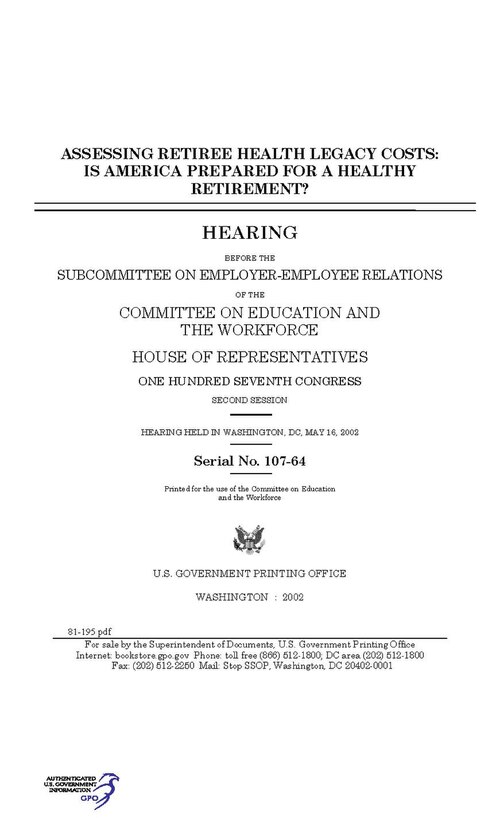
Rising prices for care and managing chronic conditions have led to a significant increase in forecasted healthcare costs for retirees. According to recent estimates, the average retiree can expect to pay around $185,500 in healthcare costs during their retirement years.
Understanding the Costs
The cost of healthcare in retirement is a complex issue, with various factors contributing to the overall expense. Some of the key drivers of these costs include:
- Chronic condition management: Many retirees live with one or more chronic conditions, such as diabetes, heart disease, or arthritis, which require ongoing medical care and treatment.
- Prescription medications: The cost of prescription medications can be substantial, especially for retirees who require multiple medications to manage their health conditions.
- Medical equipment and supplies: Retirees may need to purchase medical equipment, such as wheelchairs or oxygen tanks, or supplies, like bandages or syringes, to manage their health conditions.
- Long-term care: While not included in the estimated $185,500, long-term care costs, such as nursing home care or home health care, can be a significant expense for retirees who require ongoing assistance with daily living activities.
Planning for Retirement Healthcare Costs
To mitigate the impact of rising healthcare costs in retirement, it's essential to plan ahead. Here are some strategies to consider:
- Start saving early: Begin saving for retirement healthcare costs as early as possible to take advantage of compound interest and give your savings time to grow.
- Consider a health savings account (HSA): HSAs allow you to set aside pre-tax dollars for medical expenses, which can help reduce your taxable income and lower your healthcare costs.
- Invest in a Medicare supplement insurance policy: Medicare supplement insurance can help cover out-of-pocket expenses, such as copays and deductibles, associated with Medicare.
- Stay healthy: Engaging in regular exercise, eating a healthy diet, and managing stress can help reduce your risk of developing chronic conditions and lower your healthcare costs.
In conclusion, the cost of healthcare in retirement is a significant concern for many retirees. By understanding the drivers of these costs and planning ahead, retirees can take steps to mitigate the impact of rising healthcare costs and ensure a more secure financial future.
Comments
No comments yet. Be first.
Please log in to comment.