

Germany has announced plans to boost its defense spending, pouring hundreds of millions of euros into its military. This move is part of a broader effort to strengthen the country's armed forces and enhance its national security.
The decision to increase defense spending has sparked a debate about the types of weapons and technologies that Germany should be investing in. With the increasing use of drones and other unmanned systems on the battlefield, some have questioned the need for traditional weapons like tanks.
Modernizing the Military
Germany's military modernization efforts are focused on creating a more agile and flexible force, capable of responding to a range of threats. This includes investing in new technologies like cyber warfare and electronic warfare capabilities, as well as upgrading its existing equipment and infrastructure.
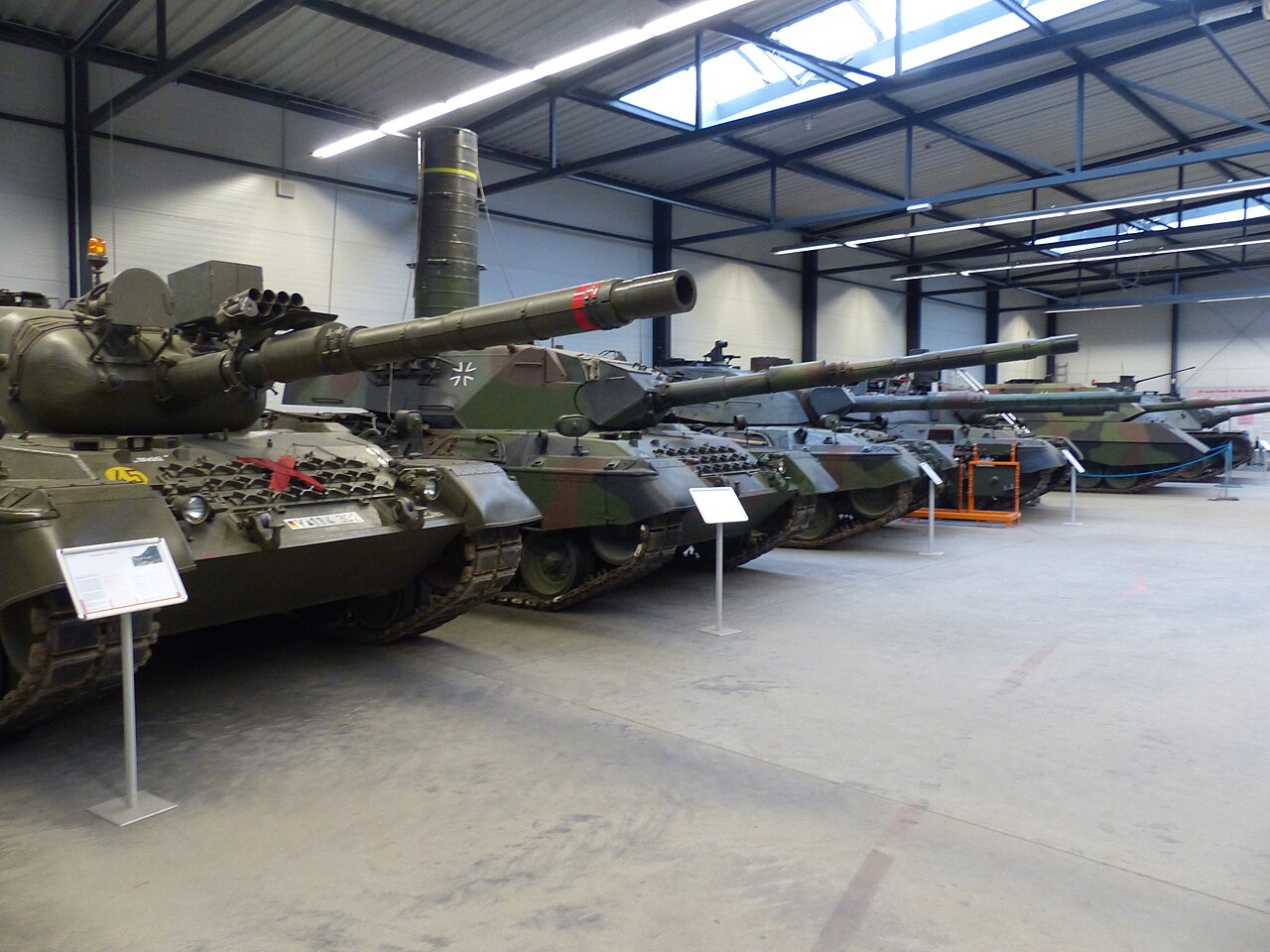
One of the key areas of focus for Germany's military modernization is the development of its armored forces. The country has a long history of producing high-quality tanks, and its Leopard 2 main battle tank is widely regarded as one of the best in the world.
Tanks in the Modern Era
However, the role of tanks on the modern battlefield is changing. With the increasing use of drones and other unmanned systems, tanks are no longer the dominant force they once were. Instead, they are being used in a more supporting role, providing firepower and protection for infantry and other units.
Despite this, Germany is still investing heavily in its tank fleet, with plans to upgrade its existing Leopard 2 tanks and potentially purchase new ones. This has led to questions about the wisdom of this investment, given the changing nature of warfare.
Some of the key arguments against investing in tanks include:
- Cost: Tanks are extremely expensive to purchase and maintain, with the cost of a single Leopard 2 tank running into millions of euros.
- Vulnerability: Tanks are vulnerable to attack from anti-tank missiles and other precision-guided munitions, which can be deployed by even relatively unsophisticated enemies.
- Limited utility: Tanks are not well-suited to many of the types of conflicts that Germany is likely to be involved in, such as counter-insurgency or peacekeeping operations.
On the other hand, there are also arguments in favor of investing in tanks, including:
- Deterrence: The presence of a strong and well-equipped armored force can serve as a deterrent to potential enemies, making them less likely to launch an attack in the first place.
- Firepower: Tanks provide a high level of firepower, which can be useful in a range of scenarios, from supporting infantry operations to conducting independent attacks.
- Protection: Tanks offer a high level of protection for their crews, which can be important in situations where they are operating in hostile or uncertain environments.
Conclusion
In conclusion, the question of whether Germany is investing in the right weapons is a complex one, with valid arguments on both sides. While there are certainly drawbacks to investing in tanks, there are also potential benefits that should not be overlooked.
Ultimately, the decision of how to allocate Germany's defense budget will depend on a range of factors, including the country's strategic priorities, its assessment of the threats it faces, and its available resources. By carefully considering these factors and weighing the pros and cons of different investment options, Germany can ensure that its military is well-equipped to meet the challenges of the 21st century.
Comments
No comments yet. Be first.
Please log in to comment.