

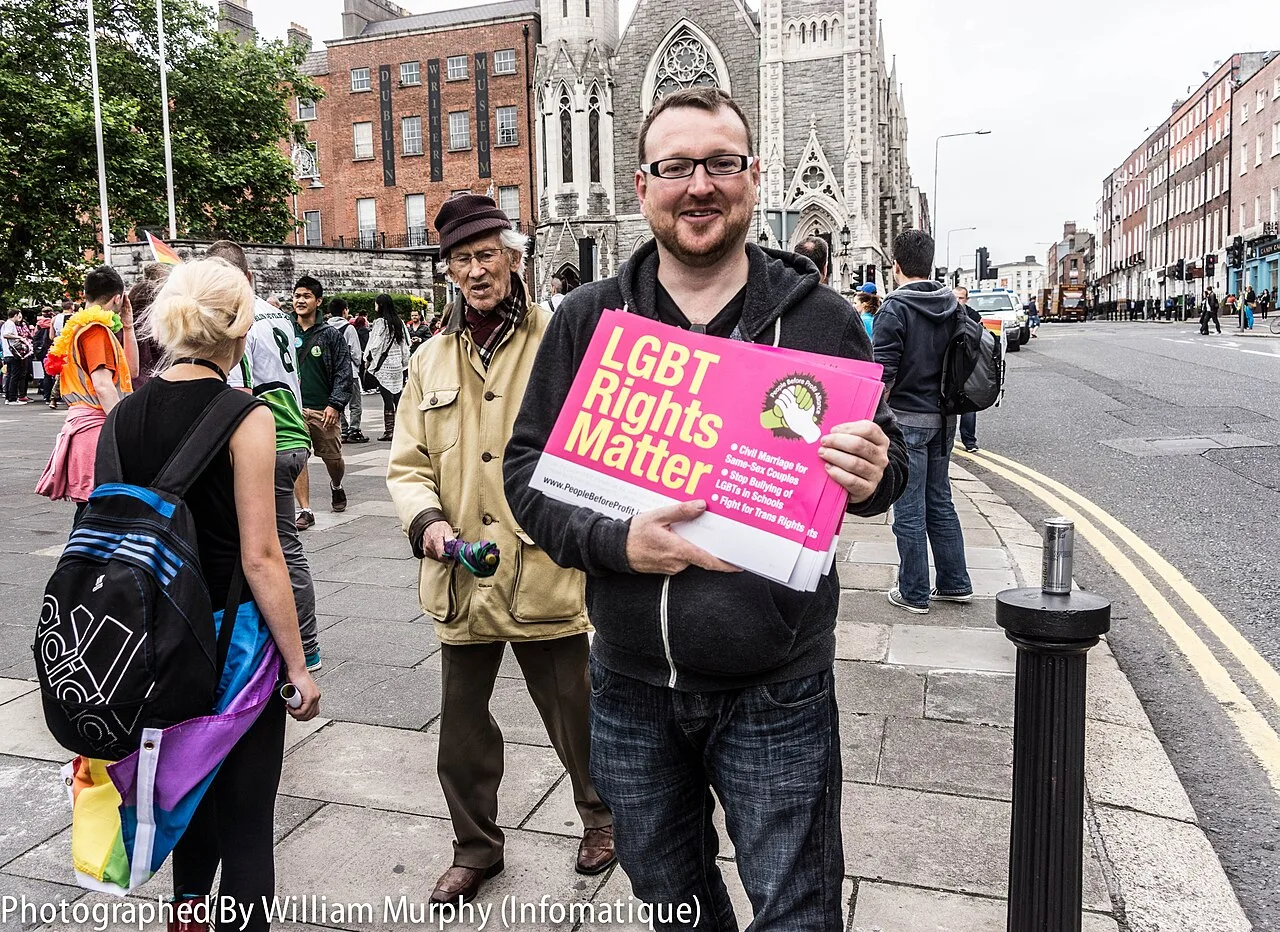
LGBTQ+ Rights in Europe: An Overview
The recent attack on Berlin's Pride event has sparked a conversation about the situation of the LGBTQ+ community in Germany and beyond. But how well are queer rights protected in other European countries?
Country-by-Country Breakdown
While some European countries have made significant strides in protecting LGBTQ+ rights, others still have a long way to go. Here are a few examples:
- Germany: Despite the recent attack, Germany has a strong record of protecting LGBTQ+ rights. Same-sex marriage has been legal since 2017, and the country has implemented various anti-discrimination laws.
- UK: The UK has a mixed record on LGBTQ+ rights. While same-sex marriage is legal in England, Wales, and Scotland, it is still not recognized in Northern Ireland.
- Poland: Poland has been criticized for its poor record on LGBTQ+ rights. The country has implemented various laws and policies that discriminate against LGBTQ+ individuals, including a ban on same-sex marriage.
For more information on LGBTQ+ rights in Europe, visit the ILGA-Europe website.
Challenges and Opportunities
Despite progress in some countries, LGBTQ+ individuals in Europe still face significant challenges, including discrimination, violence, and marginalization. However, there are also opportunities for growth and improvement, particularly through education and advocacy efforts.
According to a report by the European Court of Human Rights, LGBTQ+ individuals in Europe are more likely to experience discrimination and violence than their straight counterparts.
What Can Be Done?
So what can be done to improve LGBTQ+ rights in Europe? Here are a few steps that can be taken:
- Education and Awareness: Educating people about LGBTQ+ issues and promoting awareness and understanding can help to reduce discrimination and marginalization.
- Advocacy and Activism: Advocating for LGBTQ+ rights and engaging in activism can help to bring about policy changes and improvements in laws and regulations.
- Support for LGBTQ+ Organizations: Supporting LGBTQ+ organizations and community groups can help to provide resources and services to LGBTQ+ individuals and promote greater inclusivity and acceptance.
For more information on how to get involved and support LGBTQ+ rights in Europe, visit the Amnesty International website.
Comments
No comments yet. Be first.
Please log in to comment.