
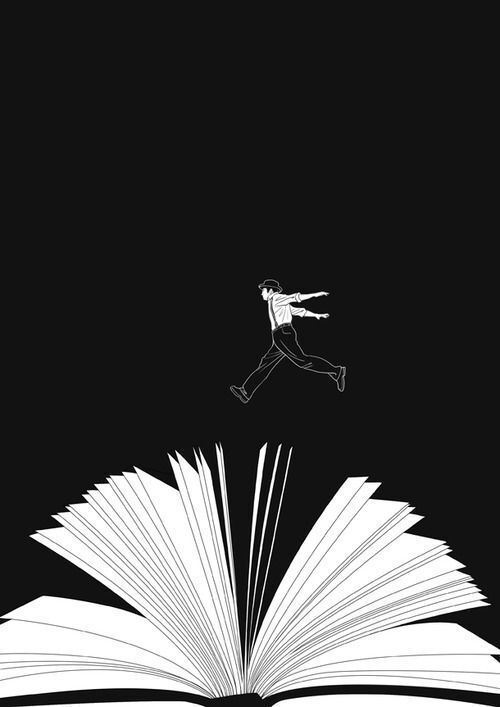
Many people begin reading for entertainment, education, or simple curiosity. Yet over time, countless readers discover that books offer something much greater. Beyond stories, facts, and information, reading has the power to reshape how people think, understand the world, and approach their daily lives.
Ask avid readers how books have affected them, and a common theme emerges. Reading often changes perspectives, strengthens empathy, improves communication skills, and encourages personal growth. While the transformation may happen gradually, the long-term impact can be profound.
From building confidence and expanding knowledge to developing emotional intelligence and critical thinking, reading remains one of the most powerful habits a person can cultivate.
Reading Expands Your Perspective
One of the most significant ways books change lives is by exposing readers to experiences beyond their own.
Every book offers access to different viewpoints, cultures, backgrounds, and ideas. Through fiction, readers step into the lives of characters whose experiences may differ greatly from their own. Through nonfiction, they gain insights into history, science, psychology, business, and countless other subjects.
This exposure broadens understanding and challenges assumptions.
A person who reads regularly is more likely to encounter perspectives that question their beliefs, introduce new ideas, and encourage deeper thinking. Over time, this helps develop a more open-minded and informed worldview.
Books make it possible to experience places, situations, and challenges that would otherwise remain inaccessible.
Building Empathy Through Stories
Fiction, in particular, has a unique ability to strengthen empathy.
When readers spend hundreds of pages following a character's struggles, hopes, fears, and decisions, they begin to understand emotions and experiences from another person's perspective.
This process encourages compassion and emotional awareness.
Readers often find themselves relating to people they initially considered very different from themselves. By understanding fictional characters, they become better equipped to understand real people as well.
The ability to see situations through another person's eyes is one of reading's most valuable and lasting benefits.
Improving Communication Skills
Reading consistently exposes people to new vocabulary, sentence structures, and ways of expressing ideas.
As a result, frequent readers often become stronger communicators.
They learn how effective writers organize thoughts, build arguments, and tell compelling stories. These skills naturally influence speaking and writing abilities.
Improved communication affects many areas of life, including:
- Professional success
- Academic performance
- Personal relationships
- Public speaking
- Problem-solving
The more people read, the more tools they acquire for expressing themselves clearly and confidently.
Developing Better Thinking Habits
Books encourage active engagement with ideas.
Readers constantly evaluate information, analyze motivations, interpret themes, and consider different viewpoints. This process strengthens critical thinking skills that extend far beyond reading itself.
Nonfiction books challenge readers to examine evidence and assess arguments. Fiction often explores moral dilemmas, complex relationships, and difficult decisions that require thoughtful consideration.
Over time, these mental exercises improve analytical abilities and decision-making skills.
Reading trains the mind to think more deeply and thoughtfully about the world.
Increasing Knowledge Over Time
One of reading's most obvious benefits is knowledge acquisition.
Every book teaches something.
A biography may reveal lessons about leadership. A history book can explain how societies evolved. A science book might introduce new discoveries. Even novels often provide insight into cultures, historical periods, or human behavior.
Unlike short online content, books allow subjects to be explored in greater depth.
Regular readers gradually accumulate knowledge across multiple fields, creating a foundation for lifelong learning.
The process may feel gradual, but the results become significant over years of consistent reading.
Reading Encourages Personal Growth
Many readers describe books as catalysts for personal development.
Self-improvement books often provide practical strategies for productivity, habits, relationships, and goal setting. However, personal growth can come from any genre.
A memoir may inspire resilience. A novel may encourage self-reflection. A historical account may offer lessons about perseverance and leadership.
Books frequently introduce ideas that challenge readers to reconsider their behaviors, priorities, and aspirations.
For some people, a single book becomes a turning point that influences major life decisions.
Strengthening Focus and Patience
Modern life is increasingly dominated by short-form content.
Social media posts, notifications, videos, and headlines compete constantly for attention. This environment can make sustained concentration more difficult.
Reading books requires a different type of engagement.
Following a narrative, understanding complex ideas, and maintaining attention over hundreds of pages strengthens focus and patience.
Unlike quick digital content, books reward sustained effort.
Readers learn to slow down, absorb information carefully, and remain engaged with a single task for extended periods. These skills often transfer to work, education, and other areas of life.
Reducing Stress and Improving Well-Being
Many readers turn to books as a way to relax and escape daily pressures.
Reading creates a temporary break from worries, responsibilities, and distractions. Immersing oneself in a story can provide mental relief and emotional restoration.
Research has shown that reading may help reduce stress by lowering heart rate and promoting relaxation.
Unlike many forms of entertainment, reading encourages calm concentration rather than constant stimulation.
This makes it an effective tool for improving overall well-being and maintaining healthy routines.
Building Confidence Through Learning
Knowledge often leads to confidence.
As readers learn more about different subjects, they become better equipped to participate in conversations, solve problems, and make informed decisions.
Books help people understand topics they once found intimidating.
Whether learning about finance, psychology, business, history, or personal development, readers gain valuable knowledge that strengthens self-assurance.
This confidence often extends into professional and personal settings.
People who read regularly frequently feel more comfortable exploring new ideas and tackling unfamiliar challenges.
Reading Creates Lifelong Curiosity
Perhaps one of reading's most valuable gifts is curiosity.
Each book often leads to new questions, interests, and discoveries. A historical novel may inspire research into a particular era. A biography could spark interest in a specific field. A science book might encourage further exploration of a fascinating topic.
Readers rarely stop learning because books continually introduce new subjects worth investigating.
This curiosity enriches life and helps maintain intellectual growth throughout adulthood.
Rather than viewing learning as something limited to school or formal education, readers often embrace it as a lifelong pursuit.
The Changes Often Happen Gradually
One reason reading's impact is sometimes overlooked is that transformation rarely occurs overnight.
Few people finish a single book and immediately become different individuals.
Instead, change accumulates gradually.
One idea influences a decision. One story expands understanding. One lesson improves a habit.
Over months and years, these small changes compound into meaningful personal growth.
Many lifelong readers only recognize the full impact of reading when they look back and compare who they are today with who they were before developing the habit.
Why Reading Remains Important
In a world filled with endless streams of information, reading books continues to offer unique advantages.
Books encourage depth rather than speed. They reward reflection rather than reaction. They promote understanding rather than superficial awareness.
Whether someone reads fiction, nonfiction, memoirs, biographies, or essays, the habit provides opportunities for growth that few other activities can match.
The benefits extend far beyond entertainment.
Reading shapes how people think, communicate, learn, and understand the world around them.
Conclusion
Reading books has the power to transform lives in ways both large and small. It expands perspectives, builds empathy, strengthens communication skills, encourages personal growth, and fosters lifelong learning.
The changes may not happen instantly, but they accumulate over time, influencing how readers see themselves and the world around them. Each book becomes an opportunity to learn, reflect, and grow.
For those seeking a simple habit with lasting benefits, reading remains one of the most valuable investments a person can make in themselves.
Comments
No comments yet. Be first.
Please log in to comment.