

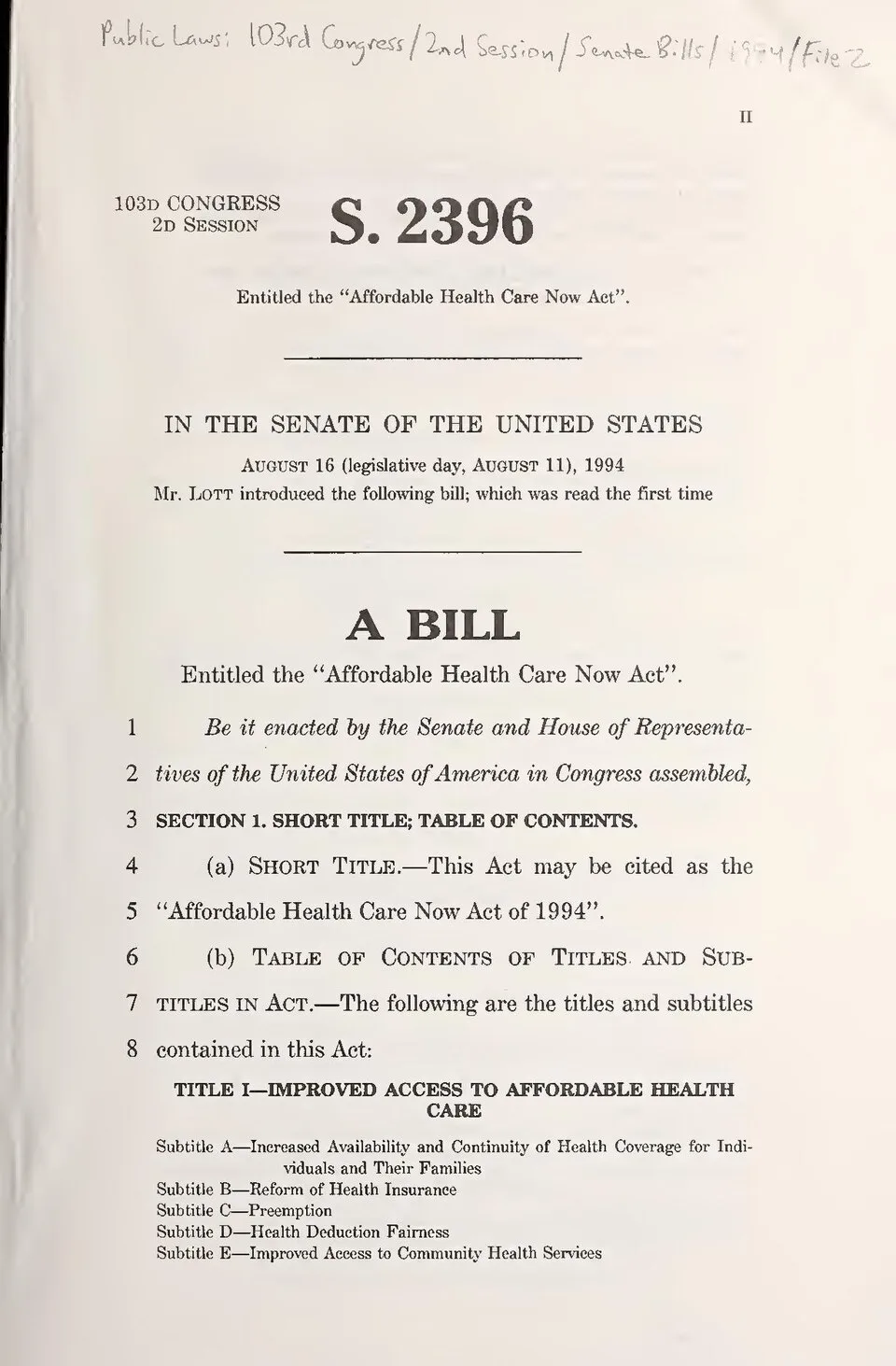
Understanding the coverage gap after a layoff
When a job ends, the employee health plan usually ends at the same time. The sudden loss of coverage can feel overwhelming, especially if medical needs are ongoing. Most people first think about COBRA, but the monthly premium can be more than double the amount paid while employed. For many, that price tag is simply not sustainable.
Options beyond COBRA
Fortunately, the United States offers several pathways to obtain health coverage at a lower cost. Each option has eligibility rules, enrollment periods, and cost structures that differ from the employer plan.
Medicaid for low income households
Medicaid is a joint federal and state program that provides free or low cost health coverage to individuals and families with limited income. Eligibility varies by state, but many adults who lose employer coverage qualify immediately because their household income drops below the state threshold.
- Apply online through your state’s Medicaid portal or at a local social services office.
- No monthly premium in most states; small copays may apply.
- Comprehensive benefits include doctor visits, prescription drugs, and preventive care.
For a quick eligibility check, visit Medicaid.gov.
Health insurance marketplace plans under the Affordable Care Act
The ACA marketplace offers a range of plans categorized by metal tiers – bronze, silver, gold, and platinum – each reflecting the share of costs covered by the insurer. Importantly, people who lose job based coverage qualify for a special enrollment period that lasts 60 days from the loss date.
Financial assistance is available in the form of premium tax credits and, for some, cost‑sharing reductions. The amount of credit depends on household income relative to the federal poverty level.
To explore plans and estimate subsidies, start at HealthCare.gov. The site also provides a calculator that shows how much you could save compared with COBRA.
Short term health plans
Short term plans are designed to bridge a temporary gap in coverage. They typically have lower premiums than ACA plans but also provide fewer benefits and may exclude pre‑existing conditions.
- Check the plan’s maximum benefit limits and out‑of‑pocket caps.
- Confirm whether the plan covers essential services such as emergency care and prescription drugs.
- Understand that short term coverage does not satisfy the ACA’s minimum essential coverage requirement.
These plans can be purchased directly from private insurers; however, read the fine print carefully before committing.
Health sharing ministries
Health sharing ministries are faith‑based groups where members contribute monthly amounts that are used to pay each other’s medical bills. While not insurance, many participants find the cost structure attractive.
Key considerations include:
- Members must adhere to a statement of faith and lifestyle guidelines.
- There is no guarantee of payment for any particular claim.
- These programs are not regulated by state insurance departments.
For more information, the HealthCare.gov overview of health sharing ministries provides a balanced perspective.
Steps to compare plans effectively
Choosing the right plan requires a systematic approach. Follow these steps to avoid costly mistakes:
- List your expected health needs for the next year – routine checkups, prescription drugs, chronic condition management.
- Gather cost information: monthly premium, deductible, copayment, and out‑of‑pocket maximum.
- Use the ACA marketplace calculator to see if you qualify for a premium tax credit.
- Check provider networks to ensure your preferred doctors and hospitals are in‑network.
- Read the summary of benefits and coverage document for each plan.
Many state Medicaid agencies also offer online tools to compare eligibility and benefits across programs. For example, the Benefits.gov portal can help you locate state specific resources.
Tips to lower your monthly premium
Even after selecting a plan, there are strategies to keep costs manageable:
- Enroll in a higher deductible plan if you are generally healthy and have savings to cover unexpected expenses.
- Take advantage of health savings accounts (HSAs) when paired with a qualified high deductible plan; contributions are tax‑free.
- Look for employer sponsored retiree plans if you are eligible for a former employee benefit.
- Apply for state or local assistance programs that offer premium subsidies beyond the federal tax credit.
- Consider joining a professional association that negotiates group rates for members.
Resources for ongoing support
Navigating the health insurance landscape can be stressful, but numerous free resources exist to guide you:
- National Cancer Institute – provides information on cancer coverage options for low income patients.
- Patient Advocate Foundation – offers case management for individuals dealing with insurance denials.
- State health insurance assistance programs – staffed by trained counselors who can walk you through marketplace enrollment.
Reaching out early, before the special enrollment window closes, ensures you maintain continuous coverage and avoid a gap that could result in a penalty or uncovered medical bills.
While losing a job is a major life change, securing affordable health insurance does not have to be a financial burden. By exploring Medicaid, ACA marketplace options, short term plans, and other alternatives, you can find a solution that protects your health and fits your budget.



Comments
No comments yet. Be first.
Please log in to comment.