

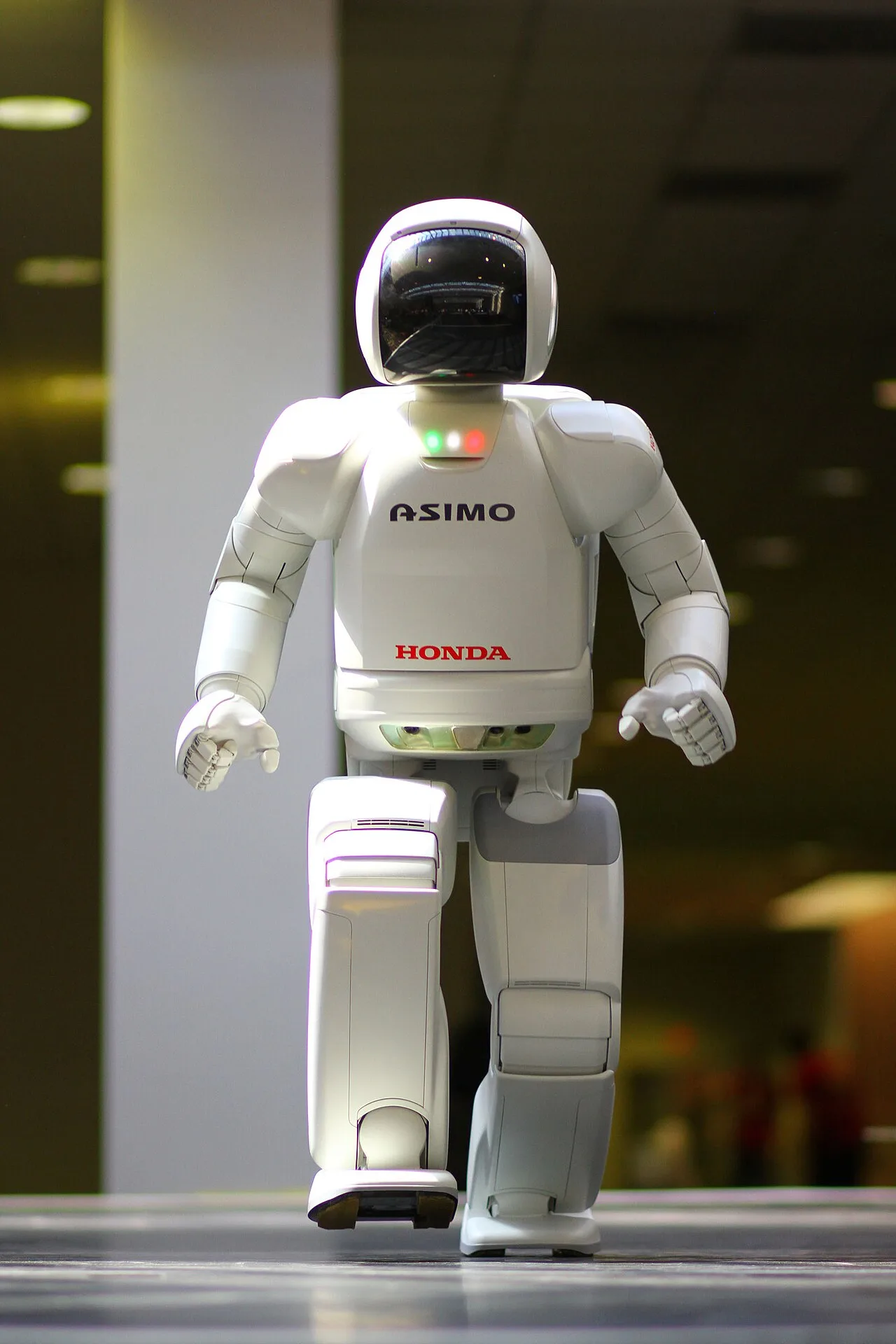
Humanoid Robots: A New Frontier in Trade Battles
The United States has recently implemented a ban on foreign-made humanoid robots, a market that is currently dominated by Chinese technology firms. This move has been cited as a national security risk, but analysts believe that it may be a tactic to give US robot makers a chance to catch up.
Why Humanoid Robots?
Humanoid robots are designed to mimic human appearance and movement, and are often used in a variety of applications, including manufacturing, healthcare, and education. The market for these robots is growing rapidly, with China being a major player in the industry.
- China has invested heavily in the development of humanoid robots
- Chinese tech firms have made significant advancements in the field
- The US is seeking to level the playing field and promote domestic innovation
National Security Risks
The US government has cited national security risks as the reason for the ban, stating that foreign-made humanoid robots could pose a threat to the country's security. However, analysts believe that this may be a convenient excuse to protect US interests.
The ban on foreign-made humanoid robots is a clear indication that the US is taking steps to protect its domestic industry, and to give US robot makers a chance to catch up with their Chinese counterparts.
According to a report by the Brookings Institution, the US has been struggling to keep up with China's rapid advancements in the field of robotics. The report states that China has invested heavily in the development of humanoid robots, and has made significant advancements in the field.
The US Department of Commerce has also released a statement on the ban, stating that it is necessary to protect the country's national security interests. However, the statement does not provide any further details on the specific risks posed by foreign-made humanoid robots.
Impact on the Industry
The ban on foreign-made humanoid robots is likely to have a significant impact on the industry, with Chinese tech firms being the most affected. The ban may also lead to a slowdown in the development of humanoid robots, as US companies may struggle to keep up with the demand.
- The ban may lead to a shortage of humanoid robots in the US market
- US companies may struggle to keep up with the demand for humanoid robots
- Chinese tech firms may need to find alternative markets for their products
The ban on foreign-made humanoid robots is a complex issue, with both supporters and critics arguing their points. While some believe that the ban is necessary to protect national security interests, others believe that it is a protectionist move that will harm the industry as a whole.
Comments
No comments yet. Be first.
Please log in to comment.