

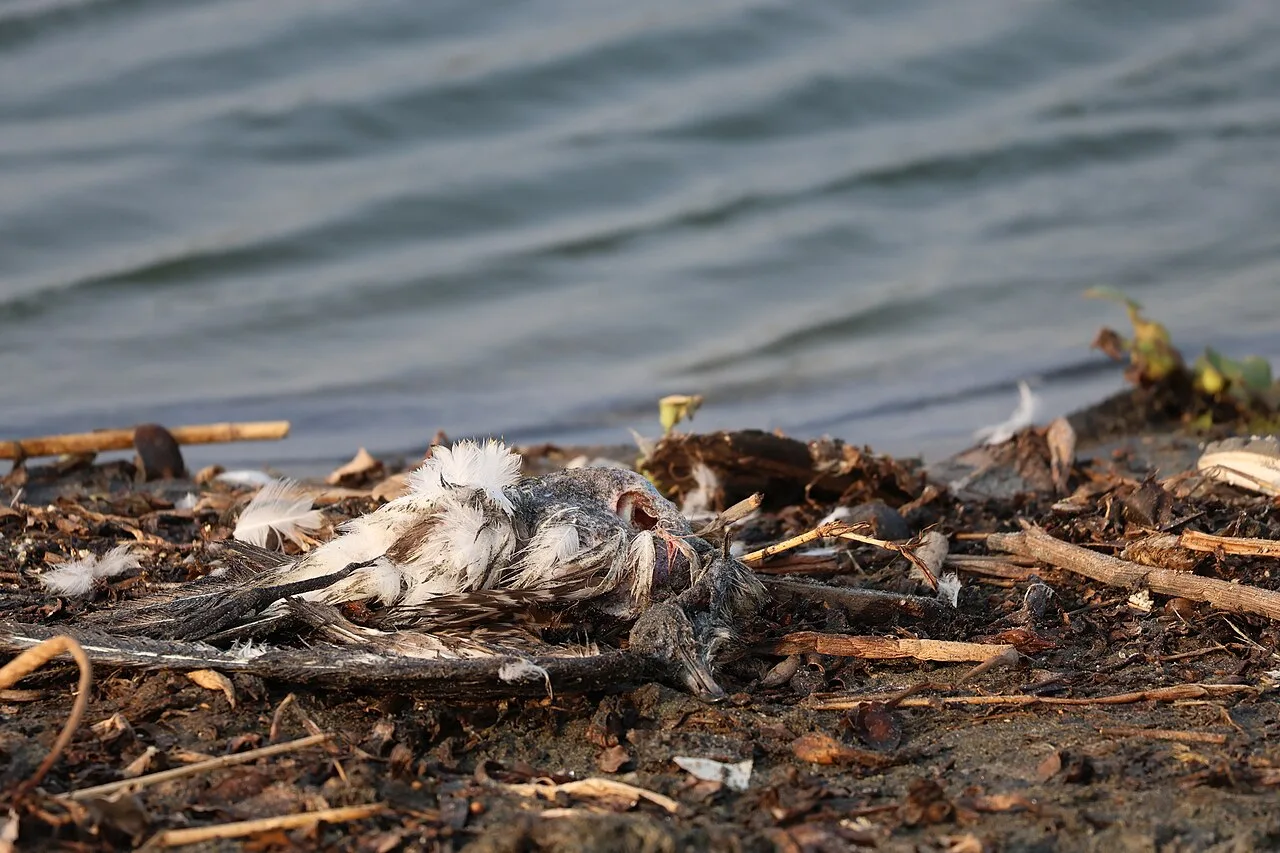
Australia’s First Suspected Mass Mortality Event
A recent helicopter surveillance off the South Australian coast has discovered a large number of dead and dying greater crested terns, sparking concerns about the spread of the H5N1 bird flu virus. With over 80 birds found, this is suspected to be the first mass mortality event from the deadly virus, which arrived in Australia just six weeks ago.
Impact of the Bird Flu Virus
The H5N1 bird flu virus has been spreading rapidly among native birds in Australia, with the recent discovery of dead and dying greater crested terns off the South Australian coast. The virus has been found to be highly contagious and deadly, with a high mortality rate among infected birds.
According to the World Health Organization, the H5N1 bird flu virus is a subtype of the influenza A virus, which can cause severe respiratory disease in humans. While the risk of transmission to humans is low, it is essential to take precautions to prevent the spread of the virus.
Conservation Efforts
The discovery of the dead and dying greater crested terns has raised concerns about the impact of the bird flu virus on native bird populations. Conservation efforts are underway to monitor the spread of the virus and protect native bird species.
The Australian Government Department of the Environment and Energy is working closely with wildlife experts and conservation organizations to develop strategies to mitigate the impact of the bird flu virus on native bird populations.
Prevention and Control Measures
To prevent the spread of the bird flu virus, it is essential to take precautions when handling birds or visiting areas where birds are present. This includes:
- Wearing protective clothing, including gloves and masks
- Avoiding contact with wild birds or their droppings
- Washing hands thoroughly after handling birds or visiting areas where birds are present
By taking these precautions, we can help prevent the spread of the bird flu virus and protect native bird populations.
Comments
No comments yet. Be first.
Please log in to comment.